
Common Questions About Repiping in Millville
Repeated pinhole leaks, brown or rusty water, weak flow at several fixtures and visible corrosion at joints are the main signs. One leak in an otherwise healthy line does not call for repiping.
A plumber can test pressure and flow, look at accessible pipe and tell you how widespread the wear is.
No. Repiping covers the supply piping inside the house. The service line runs from the street connection to the house, and it is a separate job. See our water service line repair page if that is your problem.
Yes. If the worst piping is in one bathroom, the kitchen or one wing, a partial repipe can replace that portion and leave sound pipe alone. The catch is that old and new pipe join at a transition, and the old section may fail later.
It depends on the size of the house and how easy the pipes are to reach. Many jobs shut off water for part of each working day, and the plumber can often restore a few fixtures at night. Ask for the plan before work starts.
Usually some access holes are needed. Open basements, crawlspaces and attics reduce the cuts. Drywall repair and painting are separate from the plumbing work, so ask what is included.
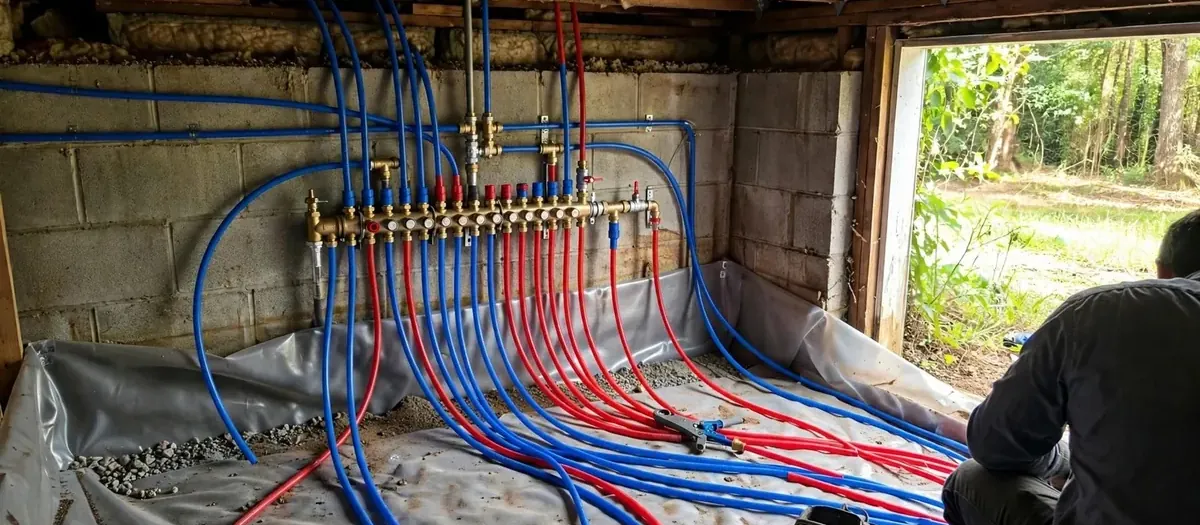
Each has trade-offs. Copper is durable and familiar. PEX is flexible and quicker to run through walls. CPVC is rigid and cost-conscious but can be brittle. The right pick depends on access, water, budget and your plumber's experience.
Permit rules depend on the job, so ask the Millville Construction Office. The city posts the state plumbing subcode form on its construction page, and staff can say what applies to your work.
Millville's groundwater is soft, which usually means less scale in pipes and heaters than in hard-water areas. Soft water does not stop old steel from rusting, so age and material still matter more.
When repiping beats patching
A single leak in a young pipe is a repair. A pipe that has leaked three times, runs brown and shows green corrosion at the joints is a different story. Each patch buys time but leaves the neighbors of the failed spot in the same condition.
The decision comes down to how many weak spots there are and how much you will spend in repairs, drywall and water damage if they keep coming. A plumber can inspect accessible pipe and give a straight view of whether repair or replacement is the better path.
Pinhole leaks, brown water, weak pressure: is it time to repipe?
These signs point to aging supply piping. Two or more together are a good reason to ask for an inspection.
- Pinhole leaks that keep appearing in different spots along the same pipe run.
- Brown, rusty or metallic-tasting water after the tap has been off for a while.
- Weak flow at several fixtures even though the main valve is fully open.
- Green or white crust at copper joints, or rust streaks on galvanized fittings.
- Water stains on ceilings or walls that return after earlier repairs.
- Pipes that bang or rattle, or a house that has not had its supply lines updated in decades.
Choosing pipe material
Each material has real strengths and limits. This is a general comparison, not a product recommendation.
| Material | Strengths | Limits |
|---|---|---|
| Copper | Long track record, handles heat, widely understood by plumbers | Slower to install, can pit in some water, higher material demand |
| PEX | Flexible, runs through walls with fewer joints, resists splitting when cold | Must be protected from sunlight and some chemicals |
| CPVC | Rigid, resists corrosion, easy to join | Can turn brittle with age and heat, more joints |
| Galvanized steel | Found in older homes | Corrodes inside, narrows over time, not used for new repiping |
Follow manufacturer installation instructions for whichever pipe goes in. That includes support spacing, expansion room and approved fittings.
Partial repipe or the whole house
A partial repipe fits when the damage is limited to a bathroom group, a kitchen or one floor. It costs less in labor and opens fewer walls, but it leaves old pipe elsewhere.
A whole-house repipe makes sense when the original piping is old, mixed in material or failing in several spots. You do the disruption once, and the new system works as one design. Ask the plumber to show you which pipes are worn before you choose.
Inside-the-house piping vs the service line
Repiping replaces the pipes inside the building. The service line is the pipe from the street connection to the house, and replacing it is covered under water service line repair. A new house system does not help if the buried line is the cause of low pressure.
Walls, access and what the job involves
The sequence is similar in most houses, though the details change with the building.
- Inspect and planWe trace the existing runs, find shutoffs, and decide where access holes will go.
- Shut off and drainWater is shut off at the main and the lines are drained, with a plan for when fixtures return.
- Run new pipeNew supply lines go in through attics, crawlspaces and small wall openings, with proper support.
- Connect and testFixtures are reconnected, the system is pressure tested and checked for leaks.
- Close upPlumbing is finished first. Drywall and paint are usually a separate trade, so plan for it.
A leak search before you decide
Not every leak means a repipe. A leak detection visit can show whether the damage sits in one run or is spread across the house. That information helps you choose between a repair and a larger replacement.
Soft water, old houses and your permit questions
Millville's 2026 Consumer Confidence Report lists carbonate hardness of 29 ppm, which is soft water. That means mineral scale is a smaller factor in pipe failure here than in hard-water regions, so look at the pipe's age and material before blaming the water.
If your home predates modern copper or PEX, the original piping may be steel or another older material. The city says its water meets federal and state standards, and the Water Utility is the contact for questions about the street side.
Permit rules depend on the job. Ask the Millville Construction Office, which posts the state plumbing subcode form. Nearby customers in Port Norris can read about service on our Port Norris plumber page.
Source type: City of Millville Water Utility web page, 2026 Consumer Confidence Report and City Construction page.
Planning a new fixture or room addition?
If you are adding a bathroom or moving a kitchen, repiping can be done alongside it. See our plumbing installation page for new fixtures and lines.
What changes the price
Every job gets a clear price before work starts. These are the things that move it up or down.
More fixtures and longer runs mean more pipe, more hours and more water-off planning.
Copper, PEX and CPVC differ in material and labor, and in how they are joined.
Open basements and attics reduce cuts. Finished walls add access holes and repair work.
A partial repipe is smaller in scope but may leave older pipe elsewhere.
Drywall repair, painting and flooring are separate from the plumbing.
Sources and standards
These are the references behind the guidance on this page. Rules and contacts change, so confirm details with the agency.
- New Jersey Uniform Construction Code, plumbing subcode (the Millville Construction Office posts the permit form)
- State Board of Examiners of Master Plumbers, Division of Consumer Affairs, for checking any plumber's license
- City of Millville Water Utility and its annual Consumer Confidence Report